
❄️ How to Protect Your Wood Flooring During Winter in NYC
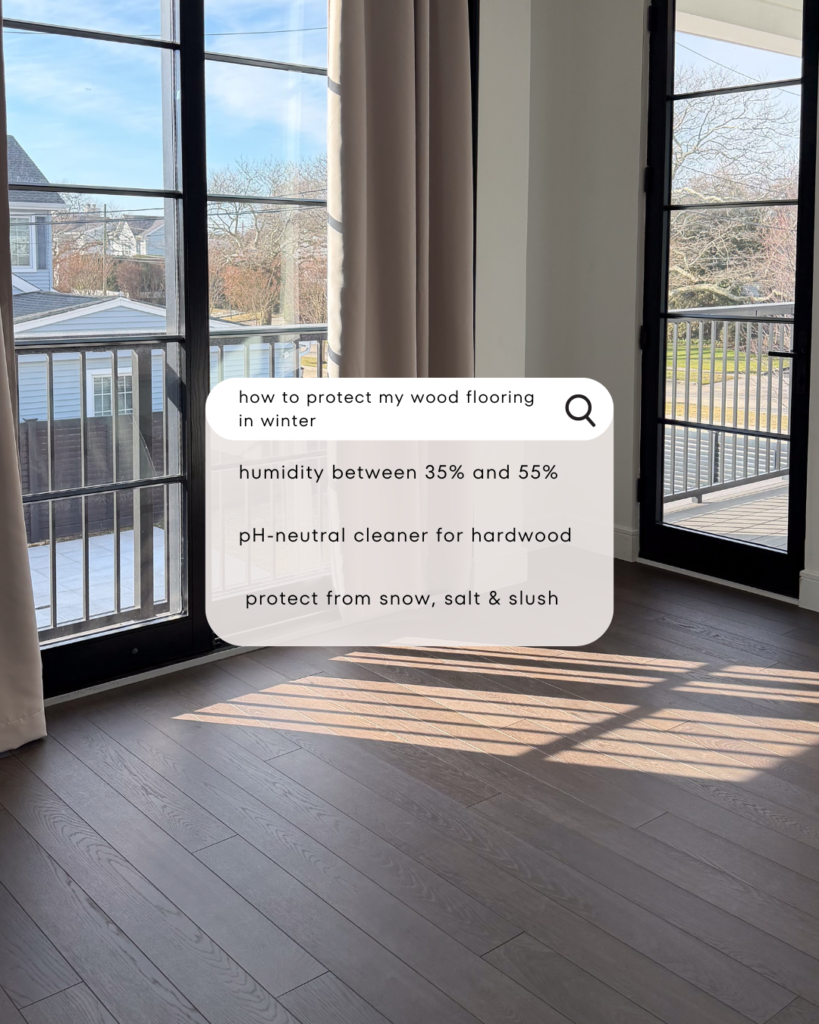
As the Manhattan skyline turns white and the radiators start humming, your hardwood floors are entering their most challenging season. Between the dry indoor air and the salt-covered sidewalks, New York City winters can be tough on natural wood.
At Allstate Flooring, we believe a beautiful floor should last a lifetime. To help you navigate the cold months, we’ve put together a quick guide to keeping your wood floors showroom-ready until spring.
1. Manage the nyc “radiator desert”
When the heat kicks in, indoor humidity in NYC apartments often plummets below 20%. Since wood is a natural material, it “breathes” – losing moisture and shrinking as the air dries out.
Control Indoor Humidity (The Most Important Step)
The ideal environment for hardwood flooring:
- Temperature: 60–80°F
- Relative Humidity: 30–50%
In winter, Manhattan apartments often drop below 25% humidity — especially in high-rise buildings with strong heating systems.
What We Recommend:
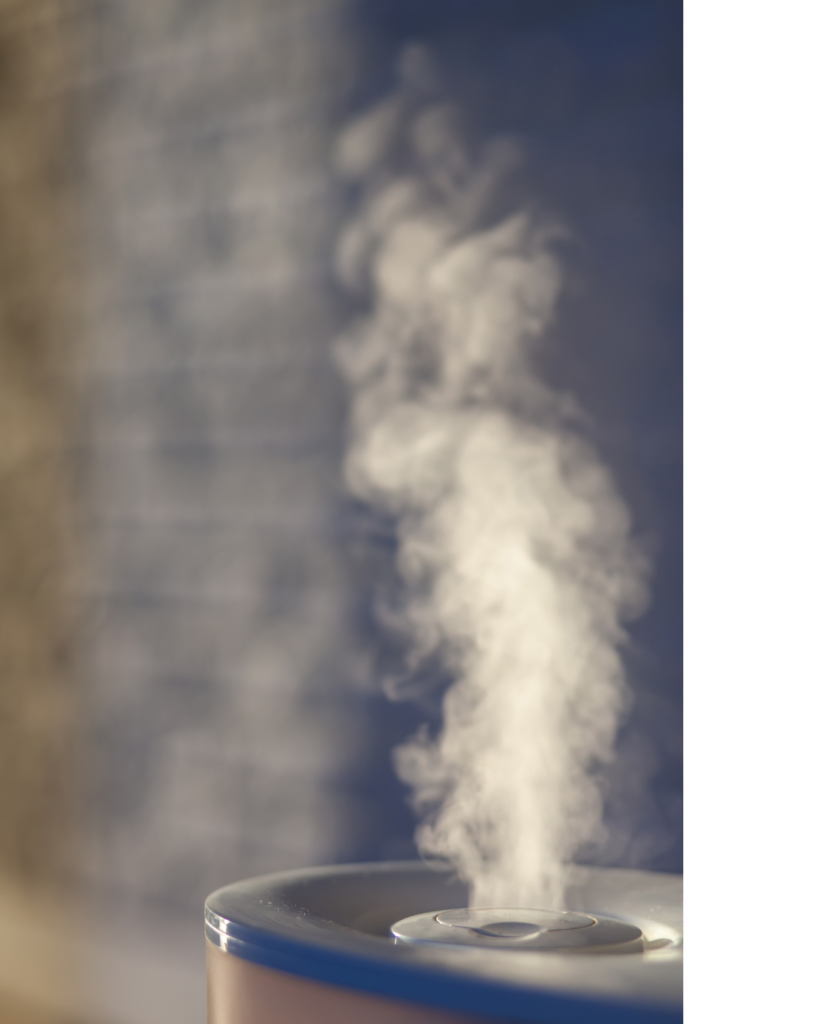
- Use a whole-home humidifier or room humidifiers
- Place a digital hygrometer in your living space
Avoid extreme thermostat swings.
2. Protect Entryways from Snow, Salt & Slush
NYC sidewalks mean salt. And salt is one of hardwood’s biggest winter enemies.
Moisture can seep between boards. Salt crystals scratch and dull the finish.
Winter Protection Checklist:
- Place mats outside and inside every entrance
- Use boot trays
- Wipe up tracked-in water immediately
- Vacuum grit regularly
Even small salt particles can act like sandpaper under shoes.
3. Clean Gently, Never “Wet Mop”
Water and wood are famous enemies. During the winter, you might be tempted to use more water to scrub away salt stains, but standing water can seep into the gaps and cause warping (cupping).
- Damp, Not Drenched: Use a microfiber mop and a pH-neutral cleaner specifically designed for hardwood.
- Neutralize the Salt: If you see white salt streaks, don’t use vinegar (which can dull the finish). Instead, use a specialized floor-safe salt neutralizer or a very lightly dampened cloth to blot the area immediately.
4. Protect High-Traffic “Hot Zones”
Winter is often the season of holiday hosting. Extra foot traffic means extra wear.
- Area Rugs: Consider adding runners in hallways or larger area rugs in living spaces for the winter months.
- Felt Pads: Check the felt pads on the bottom of your furniture. If they’re worn down, the dry winter air can make the wood more prone to scratching when chairs are moved.

Leave a Reply